Islamabad Is On Edge Tonight. US-Iran Talks Round Two Begins. If you stepped outside in Rawalpindi or Islamabad tonight, you would feel something in the air. Something tense. Something electric. The roads are quieter than they should be. Checkpoints everywhere. Police are on every corner. And the entire world is quite literally watching what happens in this city over the next 48 hours.
Round two of the US-Iran peace talks is beginning tonight in Islamabad. And this time, the stakes are even higher than before.
What Is Happening Right Now
President Trump confirmed that US negotiators will head to Pakistan on Monday for another round of talks with Iran, raising hopes of extending a fragile ceasefire set to expire by Wednesday. The White House said Vice President JD Vance, who led the first round of historic face-to-face talks last weekend, would lead the delegation back to Pakistan. CNN
So JD Vance is coming back. The same man who walked out of Islamabad last weekend without a deal is getting on a plane and flying right back to the same city. That alone tells you how seriously Washington is taking this deadline.
Pakistani authorities began tightening security in Islamabad, with a regional official confirming that mediators were finalising preparations and US advance security teams were already on the ground. CNN
Those advance teams landing quietly in Islamabad — that is not a small thing. That is the United States government preparing for a very high level visit.
But There Is a Problem, a Big One
Here is where the story gets complicated. And if you have been following this situation closely, you know that nothing about these talks has ever been straightforward.
Iran signalled on Monday that it had no plans to send negotiators to Islamabad for a new round of talks with the US, threatening Pakistan’s plans for multi-day negotiations less than 48 hours before the fragile ceasefire is set to expire. Al Jazeera
Iran’s Foreign Ministry spokesman came out publicly and said Washington had violated the ceasefire from the very beginning, pointing to the US naval blockade of the Strait of Hormuz that Trump imposed right after the first round of talks collapsed. He described the blockade as “unlawful and criminal” and said it amounted to war crimes. Al Jazeera
Strong words. And they came just hours after the US announced its team was heading to Islamabad.
So right now tonight, the situation is this. America’s team is on its way to Pakistan. Iran is publicly saying it is not coming. And the ceasefire expires in less than 48 hours.
This is either the most dramatic negotiating tactic in recent history. Or it is the beginning of a very dangerous breakdown.
Why Iran Is Playing Hard to Get
To understand Iran’s position tonight, you have to understand what has been happening since the first round of talks ended.
Following the failure of the first round of talks, Trump imposed a naval blockade on Iranian ports, interdicting any ships entering or departing. CNN Iran called this a direct violation of the ceasefire agreement. And in many ways, they have a point. You cannot ask someone to negotiate peace while simultaneously tightening a chokehold around their economy.
Iran’s armed forces also captured an Iranian container ship overnight which Tehran cited as another breach of the ceasefire and international law. Al Jazeera
But here is the thing despite the angry public statements, the signals behind the scenes are very different. Despite the public denials, Iranian sources earlier on Sunday indicated a delegation was expected in Pakistan on Tuesday. Al Jazeera
Iran’s chief negotiator himself, the parliament speaker, Ghalibaf went on state television and said: There will be no retreat in the field of diplomacy.” That is not the language of a country that has walked away from the table. That is the language of a country that is still at the table, just playing its cards carefully.
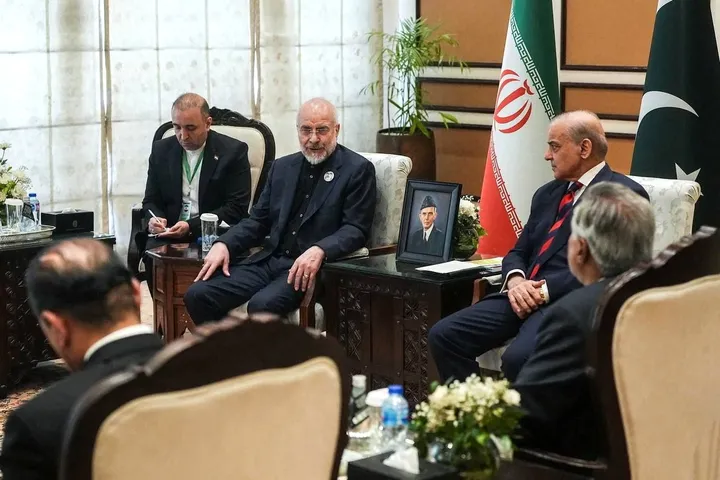
What Are They Actually Fighting Over?
The issues that blew up the first round of talks have not gone away. If anything, they have hardened.
Trump officials proposed a 20-year suspension in Iranian uranium enrichment. Iranian negotiators countered with a five-year suspension, which the US rejected. American negotiators also want Iran to dismantle its major nuclear enrichment facilities and hand over more than 400 kilograms of highly enriched uranium buried underground. Al Jazeera
That gap is 20 years versus 5 years- sounds like a number problem. But it is actually a trust problem. Iran does not believe the US will lift sanctions and stay out of its affairs for two decades. The US does not believe Iran will honour any short-term commitment before quietly rebuilding its nuclear programme.
The central sticking point remains the duration of any enrichment freeze and what Iran will do with 440 kilograms of highly enriched nuclear material, whether sending it abroad to a third party or bringing it down to lower enrichment levels. ProPakistani
And then there is Lebanon. The war has killed more than 4,000 people across the Middle East overwhelmingly in Iran and Lebanon. Iran has consistently said any deal must include a stop to Israeli strikes on Lebanon. Israel and the US have consistently said the Lebanon ceasefire is a separate issue. That disagreement alone has the power to collapse everything.
What Pakistan Is Doing Right Now
While the two sides trade public statements and private messages, Pakistan is doing what it has done throughout this entire crisis, working quietly, persistently and without drama.
Iranian Ambassador Reza Amiri Moghadam said last week in Islamabad that Tehran would hold talks in Pakistan and nowhere else, because we trust Pakistan. Al Jazeera
That trust is Pakistan’s greatest asset right now. Neither Washington nor Tehran fully trusts the other. But both of them trust Pakistan enough to keep talking through it. That is genuinely remarkable for a country that has spent years dealing with its own enormous challenges.
PM Shehbaz Sharif spoke directly with Iranian President Pezeshkian over the phone in the hours before this second round was announced. Field Marshal Asim Munir has now travelled to Tehran and back, carrying messages that neither side will publicly acknowledge. Foreign Minister Ishaq Dar has been on the phone constantly.
Analysts say Pakistan’s value as a mediator lies in the rare credibility it holds with both sides, and even if this round produces no breakthrough, it would not necessarily erode trust in Islamabad as a venue. Al Jazeera
The Clock Is Ticking 48 Hours Left
Here is where everything stands tonight as Islamabad prepares for round two.
The ceasefire expires on April 22. That is less than 48 hours from now. The US team is arriving tonight. Iran is publicly saying it is not coming but privately suggesting it will. Trump is threatening to destroy Iranian infrastructure if no deal is reached. Iran is calling the US blockade a war crime.
And right in the middle of all of it, Pakistan. Trying to hold this together with diplomacy, patience, and a credibility that neither superpower can afford to throw away.
JD Vance told Fox News after the first round collapsed that “there really is a grand deal to be had here but it is up to the Iranians to take the next step.” Al Jazeera
That next step has to happen in the next 48 hours. Or the war comes back.
Islamabad is ready. The world is watching. And what happens in this city tonight may determine whether the Middle East gets peace or whether it gets war again.
We will keep updating this story as it develops. Stay with us.