Both Petrol and Diesel Now Cost Rs 399 — Here Is What Changed and Why. There is a number that every Pakistani with a vehicle, a business, or a grocery bill is talking about right now. Rs 399. That is where both petrol and diesel now sit, effective from May 1, 2026. And while the government notification came through late on April 30, the reality of what that number means hit home at petrol pumps across the country from the moment the new prices kicked in at midnight.
For context, just a few weeks ago, petrol was sitting at Rs 266 per litre. Then the US-Iran war began. Then the Strait of Hormuz closed. And in the weeks that followed, Pakistanis watched fuel prices do something they had never seen before: climb so fast, so dramatically, that by early April petrol had touched Rs 458 per litre. The highest price in Pakistan’s history.
Things have come down since then. But they have not come down far enough. And May 1 reminded everyone of that.
What Exactly Changed on May 1
Let us start with the actual numbers, because there is some confusion in circulation about what exactly happened.
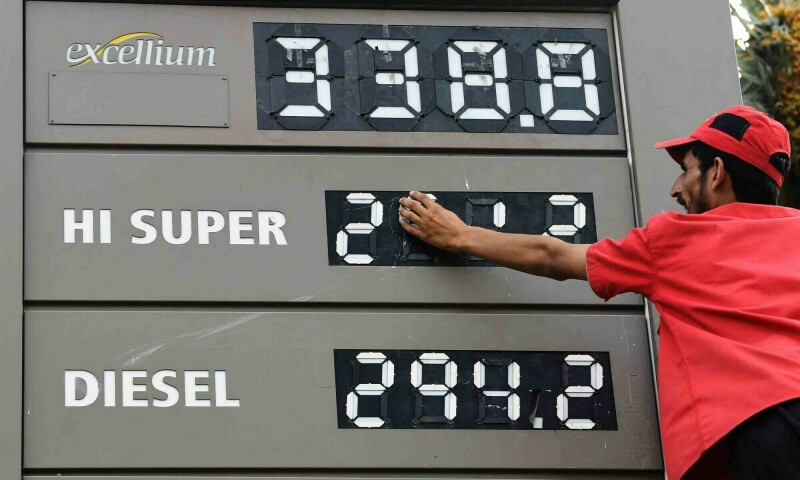
The federal government raised the petrol price by Rs 6.51 per litre and high-speed diesel by Rs 19.39 per litre, effective May 1, 2026. After the increase, petrol now costs Rs 399.86 per litre, up from Rs 393.35, while high-speed diesel costs Rs 399.58 per litre.
So petrol went up by a relatively modest Rs 6.51. Diesel, on the other hand, jumped by Rs 19.39 in a single revision. That is a significant difference and it matters a great deal depending on how you use fuel.
Alongside the price changes, the government also reshuffled the petroleum levy structure. A fresh levy of Rs 28.69 per litre has been imposed on high-speed diesel a fuel that previously carried no levy at all. At the same time, the petroleum levy on petrol was cut by Rs 3.88 per litre, bringing it down to Rs 103.50 per litre. Fortune
In plain language, the government gave with one hand and took with the other. It slightly reduced the tax on petrol while introducing a brand new tax on diesel that more than cancelled out any relief. Diesel users, who had never paid a petroleum levy before, are now paying Rs 28.69 extra per litre in tax on top of the already higher price.
Why Is Diesel Getting Hit Harder
This is the question that deserves a direct answer, because the diesel increase is going to affect far more people than just truck drivers.
Diesel powers Pakistan’s trucking industry. It runs the buses that millions of people take to work every day and fuels the agricultural machinery that grows food for 240 million people. It runs the generators that keep factories and hospitals running during load shedding.
The increase in diesel prices is likely to hit transporters, farmers and goods movement costs harder, which may also push up prices of daily-use items. ProPakistani
When diesel gets more expensive, everything that moves on a truck gets more expensive. Flour. Vegetables. Medicine. Construction materials. The cost of moving goods from one city to another goes up, and that cost gets passed on to the person standing at the shop counter at the end of the supply chain. That person is you.
This is why diesel price hikes are in many ways more damaging to ordinary households than petrol hikes, even though most people focus on the petrol number because that is what they fill into their cars and motorcycles.
How We Got Here — The Full Timeline
To understand why Pakistan is sitting at Rs 399 per litre right now, you need to understand the chain of events that started on February 28, 2026.
On March 6, the federal government announced a historic increase of Rs 55 per litre in petrol and diesel prices. Following the increase, petrol rose to Rs 321.17 per litre from Rs 266.17 per litre. Then on April 2, the government further increased prices of petrol and high-speed diesel by Rs 137.23 and Rs 184.49 per litre respectively. Profit by Pakistan Today
Let that sink in. A Rs 137 increase in petrol in a single revision. A Rs 184 jump in diesel. Those are numbers that had never been seen in Pakistan before. The country was in genuine crisis.
The highest petrol price in Pakistan’s history was Rs 458.40 per litre on April 3, 2026. Wikipedia
Then the ceasefire between the US and Iran came into effect. Pakistan hosted the peace talks in Islamabad. The Strait of Hormuz partially reopened. Global oil prices fell. And Pakistan’s government began bringing prices back down.
On April 10, the government reduced the price of high-speed diesel by Rs 134.81 per litre and petrol by Rs 11.83 per litre, following a declining trend in global crude oil prices. Profit by Pakistan Today
That was the good news. The less good news is that after that big drop, prices have been creeping back up again — week by week — as the situation in the Middle East remains unresolved and global oil markets stay nervous.
The government has been reviewing petroleum prices on a weekly basis following the now-paused US-Israel war on Iran, which began on February 28. In the previous weekly review, the government had announced a Rs 26.77 per litre hike in both petrol and diesel.
Weekly reviews. That phrase alone tells you how volatile things have become. Pakistan used to revise fuel prices every two weeks. Now it happens every week, because the global situation is changing so rapidly that fortnightly adjustments cannot keep up.
The Rumours That Spread Everywhere
Before and after the May 1 announcement, social media and WhatsApp groups were flooded with claims that petrol stations would shut down from May 1 to May 5. People rushed to fill up their tanks the night before. Long queues formed at pumps across the country. Panic buying swept through cities.
Authorities have urged the public not to trust unverified social media posts and warned against the spread of misinformation by what they called miscreant elements attempting to create panic. Wikipedia
The All Pakistan Petrol Pump Owners Association also refuted reports of a strike from May 1 to May 5 as baseless. A statement quoted the association’s vice chairperson, Noman Ali Butt, as saying there was no truth to the rumours of petrol stations’ closure. Profit by Pakistan Today
The pumps stayed open. The fuel was there. But the panic itself tells you something important about the psychological state of Pakistani consumers right now. After watching prices nearly double in a matter of weeks, people trust the worst-case scenario automatically. That level of anxiety does not disappear quickly, even when the immediate crisis passes.
The council confirmed that Pakistan currently has sufficient fuel reserves, including 28 days of petrol and 34 days of diesel stock, ensuring an uninterrupted supply to consumers. Wikipedia
Twenty-eight days of petrol reserves. Thirty-four days of diesel. The supply is fine. The panic was unnecessary. But it happened anyway because trust, once broken by weeks of historic price shocks, takes a long time to rebuild.
What This Means for Your Daily Life
Here is the honest, practical reality of Rs 399 per litre for different Pakistanis.
If you ride a motorcycle, your cost per fill-up has gone up again. Every commute costs a little more. Over a month, that adds up to a meaningful amount out of your pocket.
If you run a small business that depends on deliveries, your operating costs have risen again. Either you absorb the extra cost and reduce your margin, or you pass it on to customers who are already stretched thin.
If you are a farmer preparing for the next planting season, diesel for your machinery and the fuel used to transport your harvest to market has both become more expensive simultaneously.
If you rely on public transport, bus fares have been under pressure since February and will likely rise again as operators adjust to higher diesel costs.
And if you buy food, which is everyone the ripple effect of higher transport costs will eventually reach the price of the items on your kitchen shelf.
Will Prices Come Down Again
That depends entirely on what happens in the next few weeks in the Middle East.
Earlier in the day oil prices struck a four-year high in the international market on worries about a resumption of hostilities in the Middle East, before slumping later in the session.
The market is still deeply nervous. Every time the US-Iran ceasefire looks shaky, oil jumps. Every time there is talk of a deal, it falls. Pakistan’s petrol prices are essentially moving with every twist and turn in a diplomatic process happening thousands of miles away in Tehran, Washington and Islamabad.
If a genuine, lasting deal between the US and Iran is reached, the Strait of Hormuz stays open properly and permanently, and global oil falls back toward pre-war levels, there is real scope for petrol and diesel prices to come down significantly from where they are now.
If the ceasefire collapses and war resumes, Rs 399 will start to look like the good old days very quickly.
The Bottom Line
Rs 399 per litre is painful. It is not the worst it has been; we were at Rs 458 just a few weeks ago but it is still dramatically higher than what Pakistanis were paying before February 28. And the introduction of a new petroleum levy on diesel, a product that powers so much of Pakistan’s economy, means the full impact of this revision will be felt well beyond the petrol pump.
Watch the news from the Middle East carefully. Watch what happens to US-Iran talks in the coming weeks. Because until that situation is fully resolved, Pakistan’s petrol price is not really set in Islamabad. It is set somewhere between Washington, Tehran, and the Strait of Hormuz.
And right now, none of those places is offering much certainty.