Field Marshal Munir Is in Tehran Right Now — And the World Is Holding Its Breath. There is a moment in every long and painful negotiation when someone has to make the final move. After both sides exhaust the back-and-forth, they exchange proposals, revise them, and exchange them again. They make public statements, deny them, and then walk them back. In the end, one side makes the decision: someone boards a plane, flies across the world, and sits face-to-face with the people who must say yes.
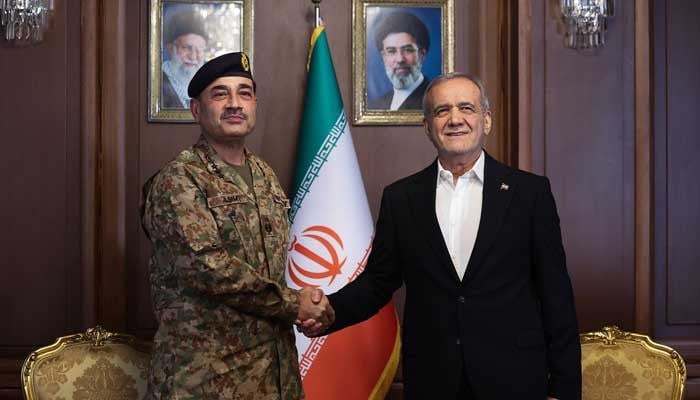
That moment is today. And the man who got on that plane is Field Marshal Syed Asim Munir. Pakistan’s top military commander is in Tehran right now. He left Islamabad this morning. He is carrying a draft final agreement. And what happens in those meetings today may determine whether the most consequential war of 2026 ends this week or keeps grinding on through the summer with consequences that reach every corner of the planet including every household in Pakistan.
Here is everything we know about what is happening today and why it matters so much.
Why Munir Is Going Himself
For the past several weeks, the United States and Iran have conducted negotiations through multiple layers of intermediaries. Pakistani diplomats carrying messages. Foreign ministers meeting separately. Back channel communications through Oman and Qatar. Proposals going one way and counter proposals going the other. All of it painstakingly slow and frustratingly indirect.
Munir has been the lead mediator between the US and Iran since the war began. The fact that he is heading to Tehran after several days of lower level talks could signal a final push by Pakistan to try to get a deal. When the army chief goes himself it means something different from when an envoy goes. It means Pakistan has decided that the moment for lower level engagement is over. And It means someone at the very top needs to sit with Iran’s leadership and have a conversation that no diplomat can fully substitute for. It means the deal is either within reach today or it is not within reach at all.
The visit comes at a sensitive diplomatic moment with the Field Marshal expected to hold discussions on the ongoing Iran–US negotiations, regional peace and stability, and other key strategic and diplomatic matters.During his stay, he will meet senior Iranian leaders and other high-ranking officials. That phrasing matters. He is not meeting mid-level officials. Munir will sit directly with decision-makers who have the authority to say yes to a final agreement on Iran’s behalf.Fortune
What He Is Carrying
This is the detail that makes today different from every previous round of diplomacy.
The mediators are trying to finalize a letter of intent that includes an agreement to end the war and principles for another 30 days of negotiations on a broader deal that would also address Iran’s nuclear program. A letter of intent. Not a comprehensive 200 page peace treaty. Not a final resolution of every issue that divides Washington and Tehran. Just a letter of intent. An agreement to end the war and a commitment to spend the next 30 days working out the harder details on nuclear issues and the long term future of the Strait of Hormuz. This simpler framework is the product of weeks of learning from failure. The first round of Islamabad talks tried to solve everything at once in 21 exhausting hours and collapsed. Subsequent rounds of indirect communication revealed that both sides were willing to accept a phased approach if it meant the shooting stopped. The letter of intent being carried to Tehran today is the result of that learning. Stop the war now. Talk about the rest later.
The Iranian reformist newspaper Ham Mihan described the move as carrying very special diplomatic importance within the context of ongoing back channel communications between Iran and the United States. The visit aimed to de-escalate tensions and prevent a slide into a full blown confrontation. Field Marshal Munir is described as a pivotal figure in the regional mediation efforts related to the indirect negotiations between Tehran and Washington. Very special diplomatic importance. That phrase comes from an Iranian newspaper. Iran is signaling through its own media that this visit is being taken seriously at the highest levels. Investing.com
What Tehran Has Been Saying
The signals coming out of Iran in the past 48 hours have been carefully calibrated but genuinely encouraging for the first time in weeks.
Iran’s government is reviewing the latest proposal for a peace deal from the United States with Pakistani army chief Asim Munir expected in Tehran Thursday to continue efforts to mediate between the two countries. We have received the views of the American side and are currently reviewing them, Foreign Ministry spokesman Esmaeil Baqaei said. He added that the current Pakistan mediated exchanges between the US and Iran represent the most serious effort yet to find common ground. The most serious effort yet. That is not the language of a country that has decided to walk away. That is the language of a country that is genuinely wrestling with a decision. Al Jazeera
Pakistan’s army chief made the visit to push toward officially announcing acceptance of the memorandum of understanding, Iran’s semiofficial ISNA news agency reported. That phrasing matters. ISNA does not operate as an independent outlet; it reflects views close to Iran’s security establishment. When it publishes specific details about the purpose of a visit, it usually signals that someone within that establishment wants that message public. Iran is signaling that it understands the purpose of today’s meeting and that its top leadership is seriously considering whether to accept the memorandum.
What Trump Is Saying
On the American side the signals have been equally carefully managed. Trump said he is willing to wait a couple of days for an Iranian response. He said he could see a deal happening but that he was not going to pressure anyone and that Iran needed to make its own decision. A couple of days. That is the window Munir is working within. Trump is not threatening immediate military escalation today. He is giving the diplomatic process room to breathe. That restraint from a president who spent weeks threatening to bomb Iran into oblivion is itself a significant signal that Washington genuinely wants this deal to land. Al Jazeera
Trump again credits Pakistan for Iran ceasefire and calls PM and Field Marshal wonderful people. Wonderful people. Trump says that about very few world leaders. The fact that he has now repeatedly and publicly praised both PM Shehbaz Sharif and Field Marshal Munir by name tells you how deeply the White House has come to value Pakistan’s role in this process. This is not diplomatic courtesy. This is a president who genuinely believes Pakistan has done something that nobody else could have done.
The Journey That Led to This Moment
It is worth taking a breath and remembering how extraordinary it is that Pakistan’s army chief is in Tehran today carrying a draft peace agreement between the United States and Iran.
When the war began on February 28 Pakistan was not the obvious choice to mediate. It was a country dealing with its own immense economic and political challenges. Its relationship with the US had been cold for years. Its relationship with Iran was functional but not exceptionally warm. And the idea of Pakistan stepping into the middle of a conflict between two of the world’s most powerful nations seemed almost presumptuous. And yet here we are. Nearly three months later.
Islamabad is reportedly emerging as a pivotal behind the scenes player in a sensitive and fast evolving diplomatic channel between two sides with sources suggesting an unprecedented flurry of backchannel activity aimed at keeping indirect talks alive at a critical moment. Unprecedented flurry of backchannel activity. That phrase describes weeks of work that happened quietly while the world watched the public drama of ceasefire deadlines and Truth Social posts and Iranian press conferences. The real negotiation happened in phone calls and private meetings and carefully worded messages that passed through Pakistani hands. Today is the day that work may finally produce something real.
What This Means for Pakistan and Ordinary Pakistanis
People sitting at home in Rawalpindi, Karachi, or Lahore are asking when things will get easier. The answer to that question may be decided in the next few hours.
Petrol prices in Pakistan have risen to Rs 399 per litre, up from Rs 266 before the war. The closure of the Strait of Hormuz and the panic in global oil markets over the past three months have driven that entire increase. If both sides sign a letter of intent to end the war and move toward reopening the strait, oil prices will fall significantly. That drop will bring relief at the petrol pump within weeks.
Beyond petrol the rupee has been under pressure. Inflation has been elevated. The Saudi deposit and IMF programme have helped but the underlying stress on Pakistan’s economy traces directly to the energy shock caused by this war. End the war and the economic picture for Pakistan improves substantially. That is the personal stake every Pakistani has in whether Field Marshal Munir’s meetings in Tehran today produce a signed piece of paper
What Happens Next
If Munir secures Iranian agreement to the letter of intent today the announcement could come within hours. A formal signing ceremony. A joint statement from Pakistan. Confirmation from Washington. And then the world would know that the war that started on February 28 is over. If the meetings go well but Iran needs more time Trump has said he is willing to wait a couple of days. Pakistan will keep working. The process continues. If the meetings break down entirely the ceasefire situation becomes significantly more dangerous. Trump’s patience has limits. The military options remain on the table. And the Strait of Hormuz stays effectively closed.
But the signals today are the most positive they have been at any point in this three month process. An Iranian newspaper saying the visit is aimed at officially announcing acceptance. Trump saying he is willing to wait. A letter of intent on the table that is simpler than anything previously attempted. And Pakistan’s most powerful military figure in the room.
Pakistan’s top military commander is traveling to Tehran in an effort to reach a deal under which the US and Iran would agree to end the war and launch negotiations for a broader agreement. End the war. Launch negotiations for a broader agreement. That is the goal today. Not a perfect permanent peace. Not the resolution of every issue that divides these two countries. Just an agreement to stop shooting and start talking properly. Facebook
It sounds simple. It has taken 84 days to get here. And right now in Tehran a Pakistani general is trying to make it happen.
The world is watching. And holding its breath.