Oil Prices Just Crashed. Will Pakistan Finally Get Cheaper Petrol? Every Pakistani with a motorcycle, a car, or even just a rickshaw fare to pay has been asking the same question for weeks now. When is this petrol madness going to end?
The answer, finally, might actually be soon.
Global oil prices have crashed dramatically over the past 48 hours. And for once, the news from the outside world is working in Pakistan’s favour. But before you start celebrating at the pump, there are a few things you really need to understand about how petrol prices actually work in this country — and why the full relief might take a little longer than you expect. READ MORE
How Bad Did Things Actually Get?
To appreciate how significant this moment is, you need to remember what Pakistan went through over the past few weeks.
When the United States and Israel launched military strikes on Iran on February 28, 2026, Iran responded by closing the Strait of Hormuz — the narrow waterway through which roughly 20% of the world’s oil supply passes. Brent crude surged from approximately $75 per barrel to over $130 within weeks, sending energy markets into a panic not seen since the 2008 crisis. Al Jazeera
Pakistan, which imports most of its oil from Gulf markets, had nowhere to hide.
The government initially absorbed the cost through emergency spending — reportedly over Rs. 129 billion in total subsidy — to prevent an immediate shock at the pump. But on March 7, it could hold no longer. Petrol was raised by Rs. 55 to Rs. 321.17 per litre, and the pricing cycle was shifted from fortnightly to weekly to allow faster response. Al Jazeera
By early April, petrol had crossed Rs. 458 per litre and diesel was above Rs. 520 per litre. The New Humanitarian — the highest prices most Pakistanis had ever seen in their lives.
For a daily-wage worker. For a motorcyclist commuting to work. For a family buying vegetables that had to be transported across the country — this was not just inconvenient. It was genuinely painful.
What Has Changed Now?
Two things happened almost simultaneously that changed the picture completely.
First, Pakistan’s diplomatic efforts — which have quietly been some of the most impressive in the country’s recent history — helped broker a ceasefire between the US and Iran. The moment that ceasefire took hold, global oil markets responded.
The international oil market took a massive dive, with Brent crude crashing toward the $94 mark. This sudden crash came on the heels of a diplomatic breakthrough in Islamabad, where Pakistan successfully brokered a 14-day ceasefire between the US and Iran.
Second, Iran announced the Strait of Hormuz was open for commercial vessels. Oil prices responded immediately — Brent crude fell 10% after having peaked above $100 when the US blockade began earlier this week. CNBC
Pakistan’s stock exchange surged over 4,000 points. The rupee steadied. And for the first time in weeks, there was a genuine sense that the worst might be behind us.
What Is Petrol Costing Right Now?
Here is where things already stand before any new cut.
Petrol price in Pakistan today is Rs. 366.58 per litre, effective from April 11, 2026. Petrol decreased by Rs. 11.83 in the last revision, while diesel dropped to Rs. 385.54 per litre — a major decrease that can reduce transport and food costs. The Nation
So prices have already come down significantly from their peak of Rs. 458. That is a drop of over Rs. 90 per litre in a matter of weeks — largely because of the ceasefire and falling global oil prices. PM Shehbaz Sharif announced that cut personally on April 11, which tells you how politically significant petrol prices have become right now.
But with oil crashing further this week, the question is — how much more relief is coming?
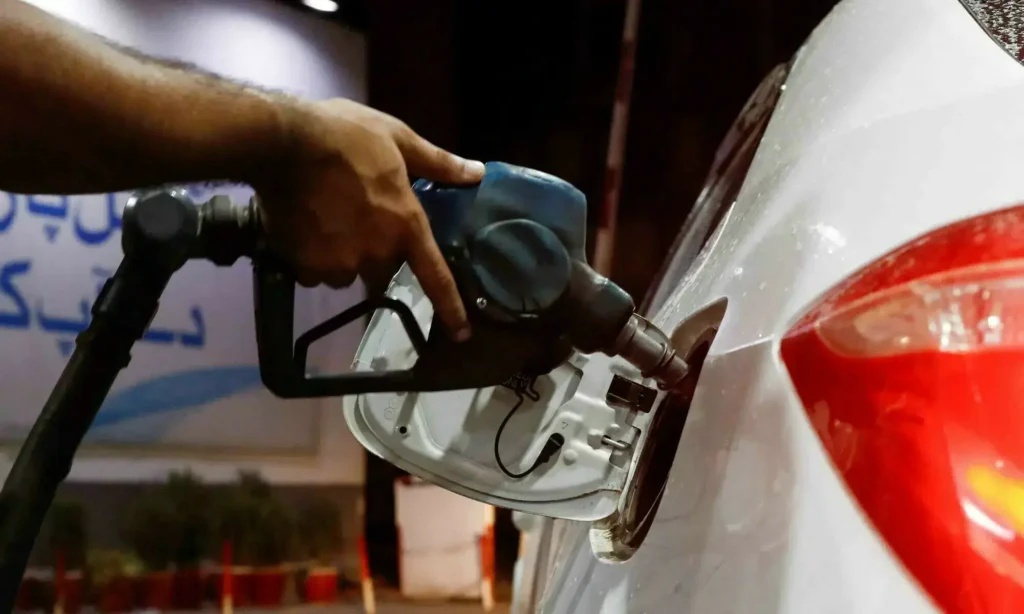
Will Prices Drop Even Further?
This is what everyone actually wants to know. And the honest answer is — probably yes, but not overnight.
The downward trend in oil prices coupled with sufficient reserves in the country indicate that the government would reduce petrol prices further from April 18, 2026. Fortune
Sources suggest a potential cut of Rs. 35 to Rs. 50 per litre is on the cards if Brent crude holds below $100 for the next revision cycle.
But here is the catch that nobody in your WhatsApp group is mentioning.
Due to OGRA’s lag effect, the government prices are based on the average of the last 15 days, not today’s price. This means even if oil crashed to $70 today, you would not feel it at the pump for at least another week or two. The system deliberately smooths out sharp movements in both directions, which protects consumers from sudden spikes, but also delays the benefits of sudden drops.
The One Thing That Could Ruin Everything
There is a very real risk that needs to be said out loud.
The ceasefire between the US and Iran expires on April 22 — just days away. Right now, both sides are being pushed toward a second round of peace talks, likely back in Islamabad. If those talks succeed and a real deal gets done, oil prices could fall even further and petrol relief for Pakistan could be substantial and lasting.
But if the ceasefire collapses and the Strait of Hormuz closes again, everything reverses. Oil shoots back up. Petrol prices follow. And Pakistan is back where it was three weeks ago.
A 15% crash sounds like relief, but it is not set in stone yet. Everything now depends on what happens in Islamabad this week. If talks succeed, petrol prices could finally drop significantly. If they fail, this dip may be nothing more than a temporary breather.
What Does This Mean for Ordinary Pakistanis?
If you are a motorcycle rider, a shopkeeper, a parent paying school van fees, or just someone trying to keep their monthly budget from falling apart, here is what to realistically expect.
A further reduction in petrol prices in the next revision is very likely if global oil stays where it is today. The total drop from the peak could eventually reach Rs. 100 or more per litre compared to the worst days of April. That is real money back in real pockets.
Transport fares — which went up sharply when fuel spiked — should start coming down too, though that process is always slower than the price hike was. Food prices that rose because of higher transport costs will gradually ease as well.
The Pakistani rupee, which came under serious pressure during the fuel crisis, has already started recovering. This crash does not just lower petrol prices — it stabilises the rupee, which is the only way we will see a stop to the price hikes that have pushed basic goods out of reach for ordinary families.
The Bottom Line
Oil has crashed. Petrol prices in Pakistan have already fallen significantly from their peak. Another cut appears to be coming in the next revision. And the diplomatic efforts that helped make all of this possible were led, quietly and persistently, by Pakistan itself.
For once, the story ends, at least for now, on a cautiously hopeful note.
Just keep watching what happens on April 22. That date will tell us whether this relief is the beginning of a real recovery, or just a brief window before the storm returns.
Either way for today at least, things are finally moving in the right direction.