254 Dead in Minutes, Is The World Allowing Lebanon’s Genocide? But the morning of April 8, 2026 was marked by very alarming information for the people of Lebanon. Pakistan was able to broker peace for two weeks in the US-Iran conflict. In a statement posted in his social media accounts, Prime Minister Shehbaz Sharif announced that the two nations have agreed to cease fire “anywhere including Lebanon and elsewhere immediately.”
Residents of Beirut were celebrating. Families that had been uprooted from their homes were ready to go back home.
It was at 2:30 pm when the bombs began to drop. Read More…
Israel Launches Operation Eternal Darkness
The Israeli military launched coordinated strikes targeting “100 Hezbollah command centers and military sites” sites it admitted were located “within the heart of the civilian population.
50 Israeli Air Force fighter jets dropped approximately 160 bombs across 100 targets, all within 10 minutes. The strikes hit central Beirut during rush hour without any prior warning. They hit the Bekaa Valley, the port city of Sidon, southern Lebanon, and the city of Tyre simultaneously.
The strikes occurred in central Beirut during peak hours without any advance notice whatsoever. The strikes affected central Beirut, the Bekaa Valley, the port of Sidon, the southern parts of Lebanon, and the city of Tyre concurrently.
During a burial ceremony in Shmestar, a village in the Bekaa Valley, Israel attacked a cemetery, resulting in the death of at least ten people. In the coastal town of Adloun, three girls were killed after Israeli attacks. According to Doctors Without Borders, the health workers of their organization were assaulted by Israel forces while at Hiram Hospital, Tyre. Israel also attacked an ambulance in Tyre.
Netanyahu Rejects the Ceasefire hours After It Was Signed
Israeli Prime Minister Benjamin Netanyahu released a statement just hours after the truce announcement. The twoweek ceasefire does not include Lebanon.
IDF officials confirmed that they had a planned this wave of strikes several weeks in advance and intended to carry them out regardless of whether Iran reached a ceasefire with the US.
Trump backed Netanyahu completely. Trump told PBS: They were not included in the deal. Because of Hizbollah. That’ll get taken care of too. It’s alright.
Meanwhile analysts said Netanyahu’s timing sent a deliberate message that Israel not Pakistan and Washington or Tehran would decide the pace of the war in Lebanon.
The Scale of Destruction Since March 2
April 8th did not happen in isolation. Lebanon’s health ministry confirmed that since the Israel Hizbollah war began on March 2. Israeli strikes have killed 1739 people and wounded 5873.
Before April 8th Israeli attacks had already displaced over one million Lebanese from their homes. Children health workers, and journalists all appear among the dead. Amnesty International Since 2024 has documented Israel’s use of white phosphorus in Lebanon and indiscriminate attacks on residential neighbourhoodsand health facilitiesand ambulances, and paramedics.
The World Reacts but Does Nothing
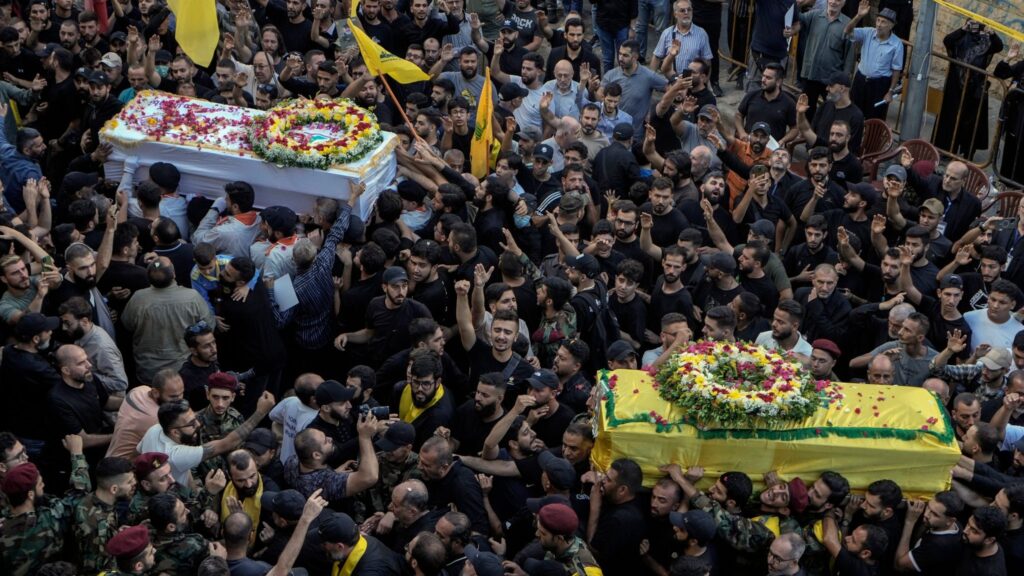
The international response came fast and sharp. The United Nations strongly condemned Israel’s strikes. They also called on all sides to use the US-Iran ceasefire as an opportunity to stop further loss of life.
UN Human Rights Chief Volker Turk called the scale of killing “nothing short of horrific.” He also said such carnage within hours of a ceasefire “defies belief.”
Oil tanker traffic through the Strait of Hormuz through which 20% of the world’s oil passes briefly resumed after the trace then Iran suspended it again in direct response to Israel’s attacks on Lebanon.
Yet Lebanon still burns.
The Question Nobody Wants to Answer
History will not ask why Lebanon burned. History will ask why the world let it.The international response came fast and sharp. The United Nations strongly condemned Israel’s strikes and called on all sides to use the US-Iran ceasefire as an opportunity to stop further loss of life.
UN Human Rights Chief Volker Turk called the scale of killing “nothing short of horrific,” saying such carnage within hours of a ceasefire “defies belief.”
Oil tanker traffic through the Strait of Hormuz, through which 20% of the world’s oil passes briefly resumed after the truce, then Iran suspended it again in direct response to Israel’s attacks on Lebanon.
Yet Lebanon still burns.